The Handwritten Charm of Wedding Dream
More Than Just a Script Font: Understanding Its Personality
When you first encounter Wedding Dream, you immediately feel a sense of warmth and sophistication. It strikes a rare balance—it feels personal and handwritten, yet it carries an elegance that prevents it from looking messy or unprofessional. If you are working on a project that requires a human touch, this typeface is a strong contender. It isn't just about the letters; it is about the feeling those letters evoke. In the world of modern typography, finding a script font that feels authentic without being illegible is a challenge, but this design manages it beautifully.
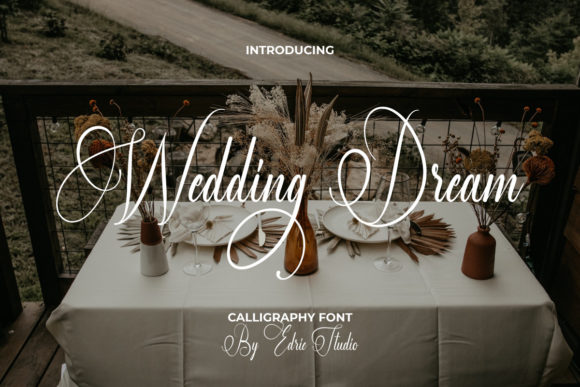
The visual character of Wedding Dream lies in its fluid connections and balanced spacing. It avoids the overly aggressive loops found in some cursive fonts, opting instead for a softer, more refined flow. This makes it an excellent choice for wedding invitations, obviously, but its utility extends far beyond that niche. It functions as a versatile display font, meaning it is designed to be used at larger sizes where its details can truly shine. Whether you are a graphic designer working on a high-end client project or a small business owner creating your own marketing materials, understanding the nuance of this premium font can elevate your work.
Practical Applications: Where to Use This Typeface
The versatility of Wedding Dream allows it to fit into a wide array of projects. It is not limited to formal events; it adapts to the context of your design. Here are some practical ways you can integrate this creative font into your workflow:
- Event Stationery: Beyond wedding invitations, consider using it for save-the-dates, menu cards, place settings, and thank you notes. The consistent style helps create a cohesive event identity.
- Digital Branding: For coaches, photographers, or boutique shops, this font works wonders in logo design. It creates an approachable yet luxurious brand identity. It is particularly effective for brands that want to appear personal and service-oriented.
- Social Media Graphics: In the fast-scrolling world of Instagram or Pinterest, a handwritten font stops the eye. Use Wedding Dream for quote graphics, sale announcements, or header text on stories to add a layer of authenticity.
- Product Packaging Design: If you sell artisanal goods, candles, or beauty products, this typeface on your labels can communicate quality and care. It suggests that a real person crafted the item.
- Editorial and Web Design: While you should not use a script font for body text, it is excellent for pull quotes, article headers, or specific call-to-action buttons where you want to draw attention without using a harsh sans serif font.
The Importance of Readability and Pairing
One of the most common mistakes in design is prioritizing style over function. While Wedding Dream is beautiful, you must consider readability. As a script font, it is best suited for short bursts of text—headlines, names, or short phrases. If you try to write a full paragraph in this font, your audience will struggle to read it, and you will lose their engagement.
This is where font pairing becomes critical. You need a supporting actor for your leading lady. Because Wedding Dream has a high level of detail and movement, it pairs best with something stable and quiet. A clean serif font like Garamond or a geometric sans serif font like Montserrat creates a perfect contrast. The simplicity of the supporting text allows the handwritten elegance of Wedding Dream to stand out without creating visual chaos. This contrast is a fundamental principle of visual hierarchy, guiding your viewer's eye exactly where you want it to go.
Technical Features: The Power of PUA Encoding
If you have ever bought a font only to find you couldn't access the fancy letters shown in the preview, you know the frustration. Wedding Dream is PUA encoded (Private Use Areas), which is a technical way of saying you have access to every single glyph, swash, and alternate letter the designer created.
For the average user, this might sound technical, but in practice, it offers immense creative freedom. It means you can customize the look of specific letters to avoid repetition or to create a specific shape in a logo. You can add flourishes to the beginning or end of a word to make it fit a specific space perfectly. This level of customization is what separates standard office documents from professional design assets. Whether you are using Adobe Illustrator, Photoshop, or even Canva, accessing these extra characters is straightforward and allows for true creative expression.
Evaluating Fit for Your Project
Before committing to any commercial font, it is wise to test it against your specific needs. Don't just look at the "A" or the "B"; look at how the letters connect. In Wedding Dream, the connections are smooth, but you should test it with the actual words you intend to use. Some words naturally flow better than others in handwritten fonts.
Consider the medium. If you are doing print design, ensure your printer can handle the fine hairlines often found in script fonts, especially at smaller sizes. For web design, ensure the font renders clearly on mobile devices. A font that looks great on a 27-inch monitor might become an unreadable squiggle on a 6-inch phone screen if the size isn't adjusted.
Finally, check the licensing. Since Wedding Dream is a premium font, it usually comes with specific terms regarding commercial use. If you are a freelancer creating a logo for a client, or a business owner using it on your merchandise, ensure your license covers that usage. Respecting font licensing is a hallmark of a professional designer and protects you legally down the road.
Conclusion
Wedding Dream is more than just a collection of letters; it is a tool for storytelling. It bridges the gap between the organic feel of handwriting and the precision required for professional design. By pairing it wisely, using its technical features like PUA encoding, and applying it to the right contexts—from social media graphics to packaging design—you can create work that feels both timeless and deeply personal. It is a valuable addition to any designer's toolkit, offering that elusive "human touch" in a digital world.